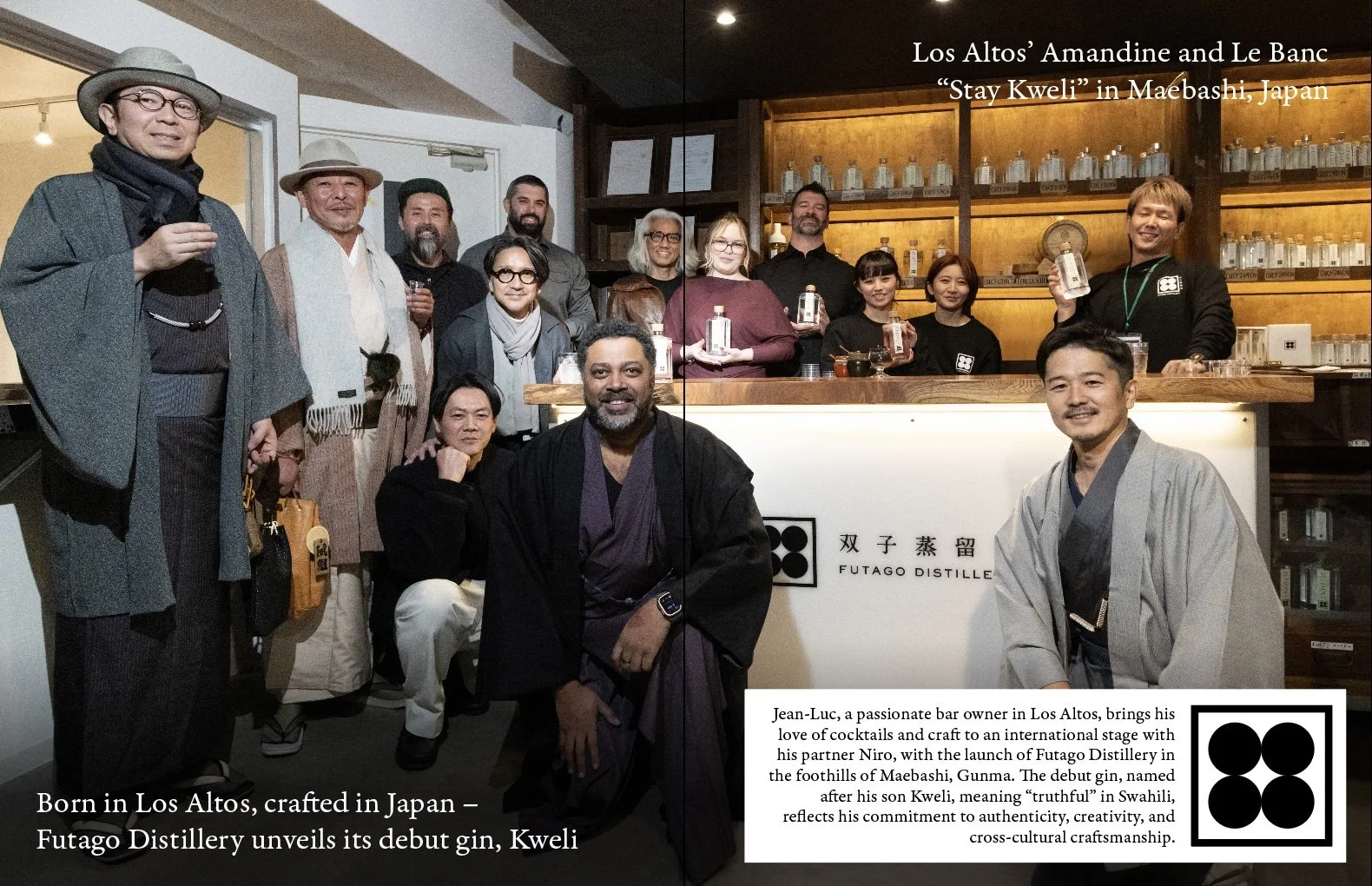
Futago Distillery & Kweli GinTranslating Futago Distillery’s Los Altos-to-Japan story across editorial, brand, and business-facing experiences. From a published two-page feature to distributor materials and the distillery’s opening in Japan, my work explored how the people, place, and culture behind a brand can shape the way its story is told.
Futago’s story exists somewhere between Los Altos and Japan—shaped by the founder’s personal history, the places that surround it, and the craft behind the spirit itself. What interested me was not simply how to tell that story, but how to translate it across different contexts without losing what made it distinctly Futago.
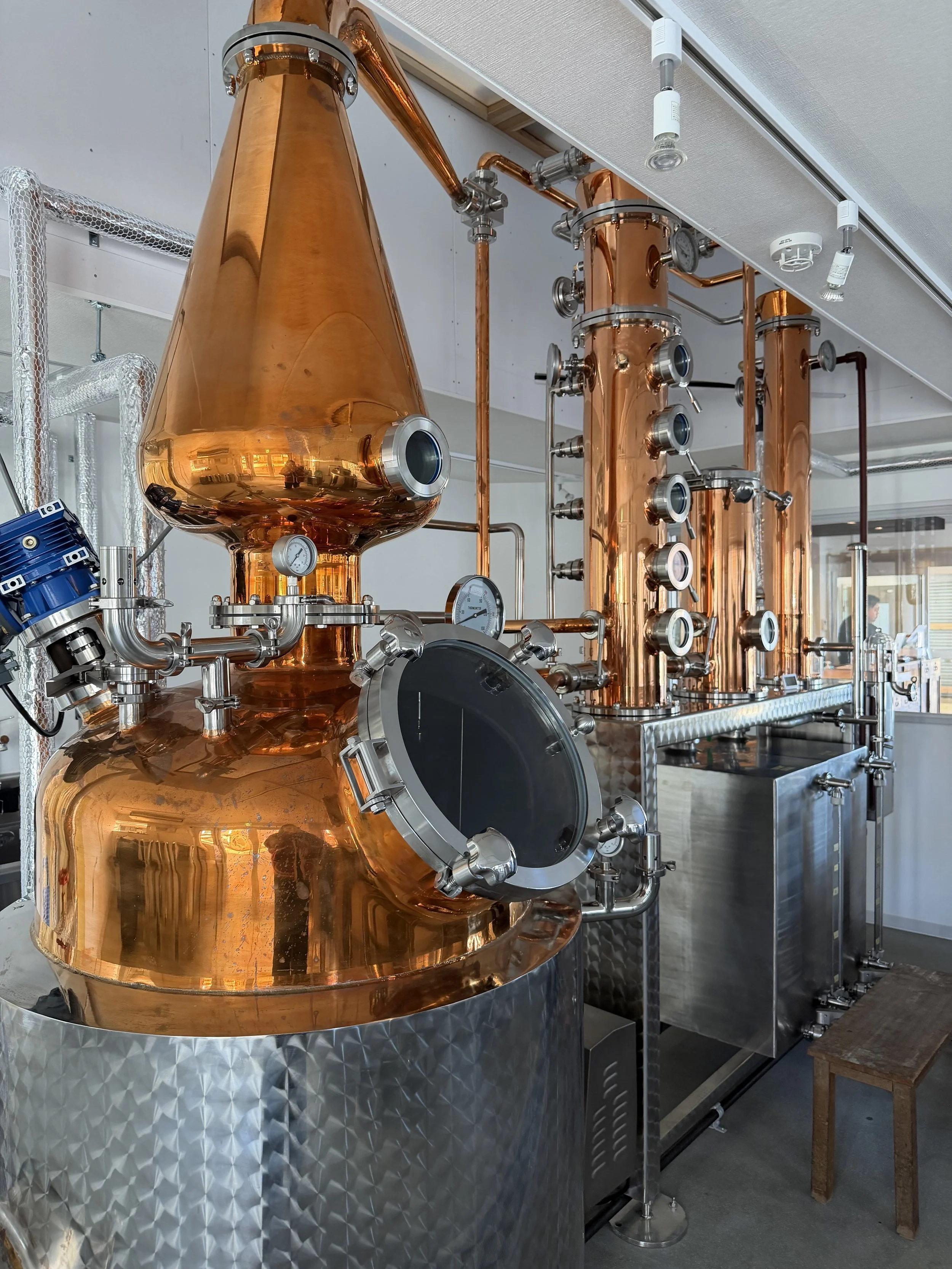
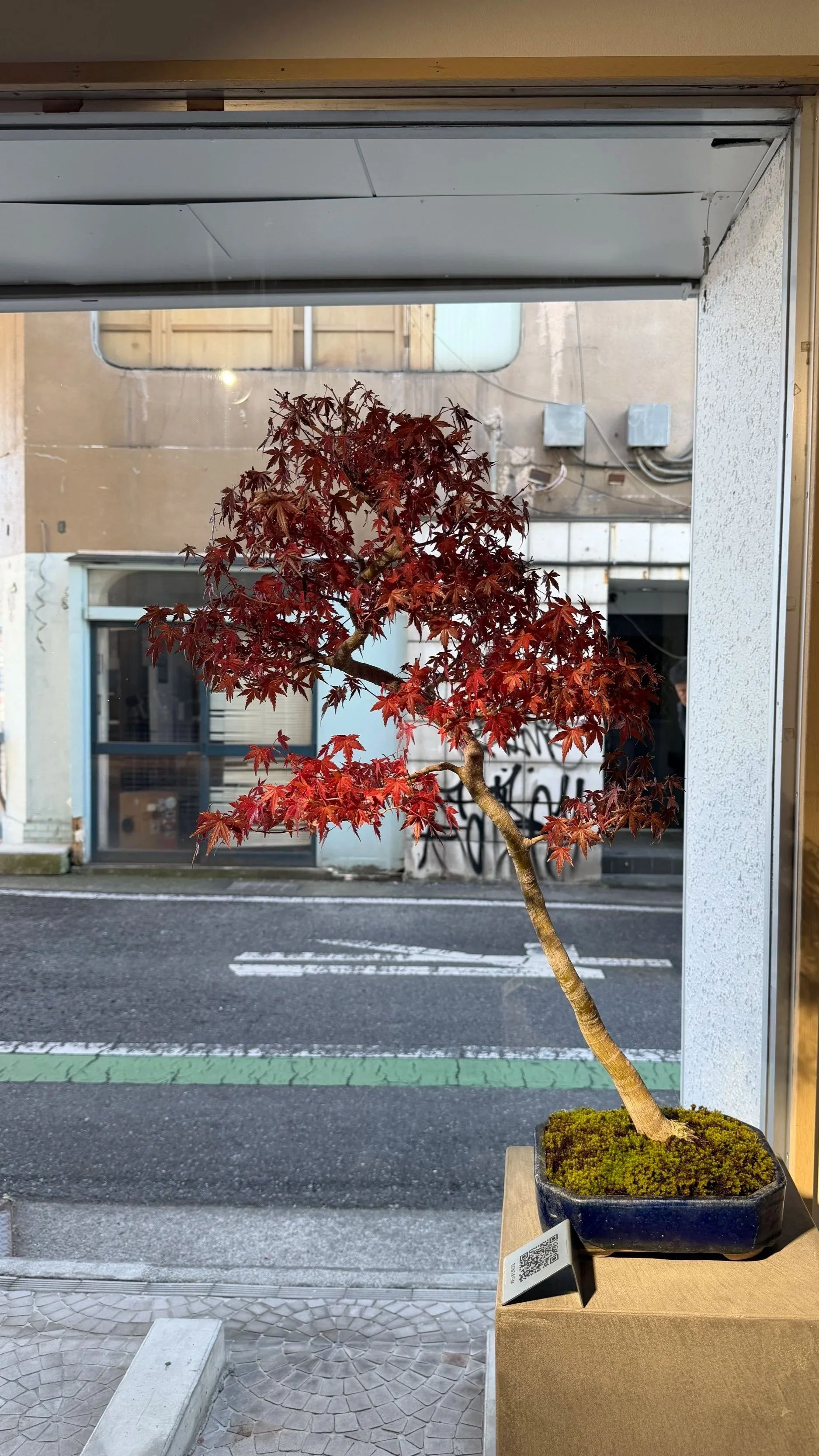
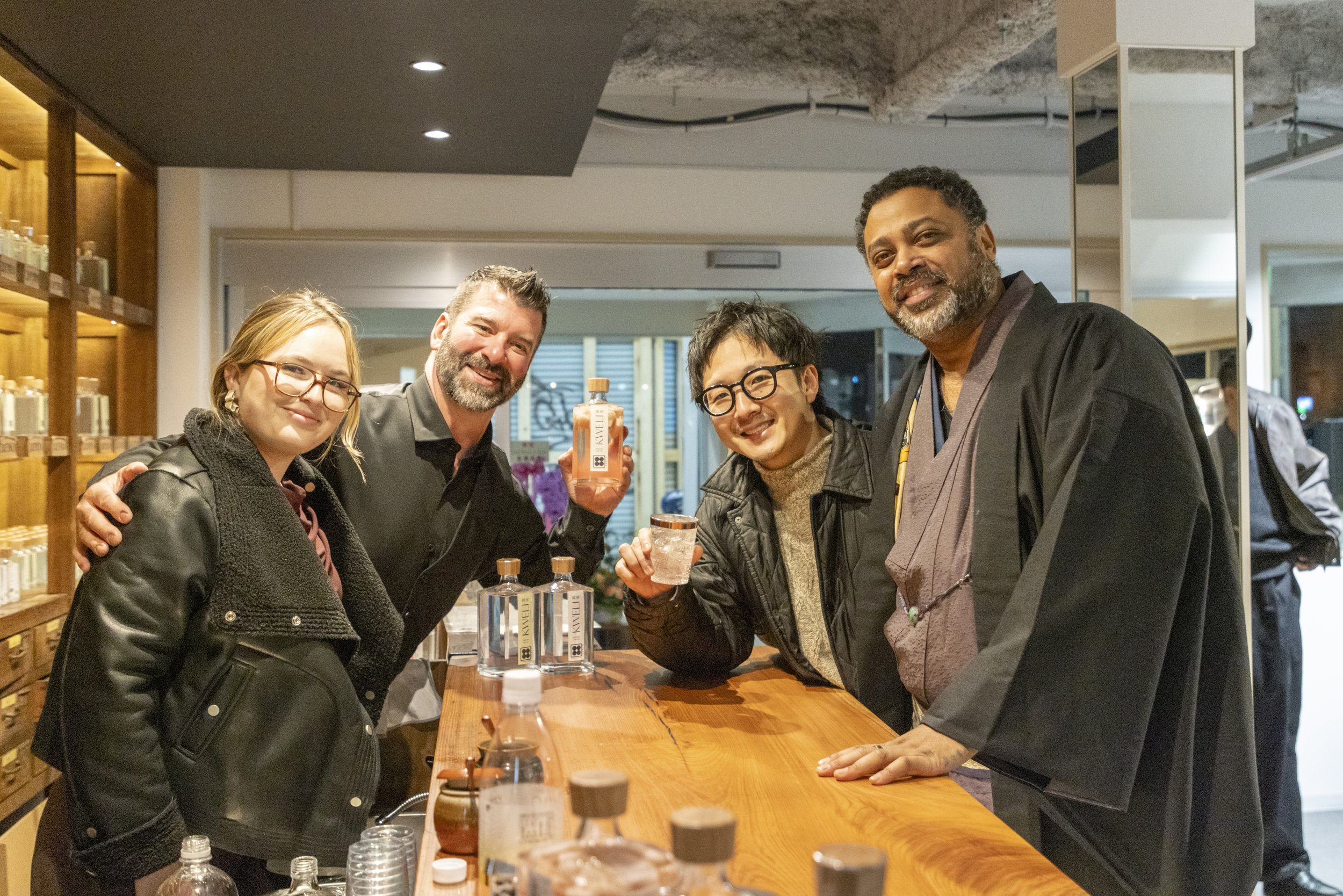
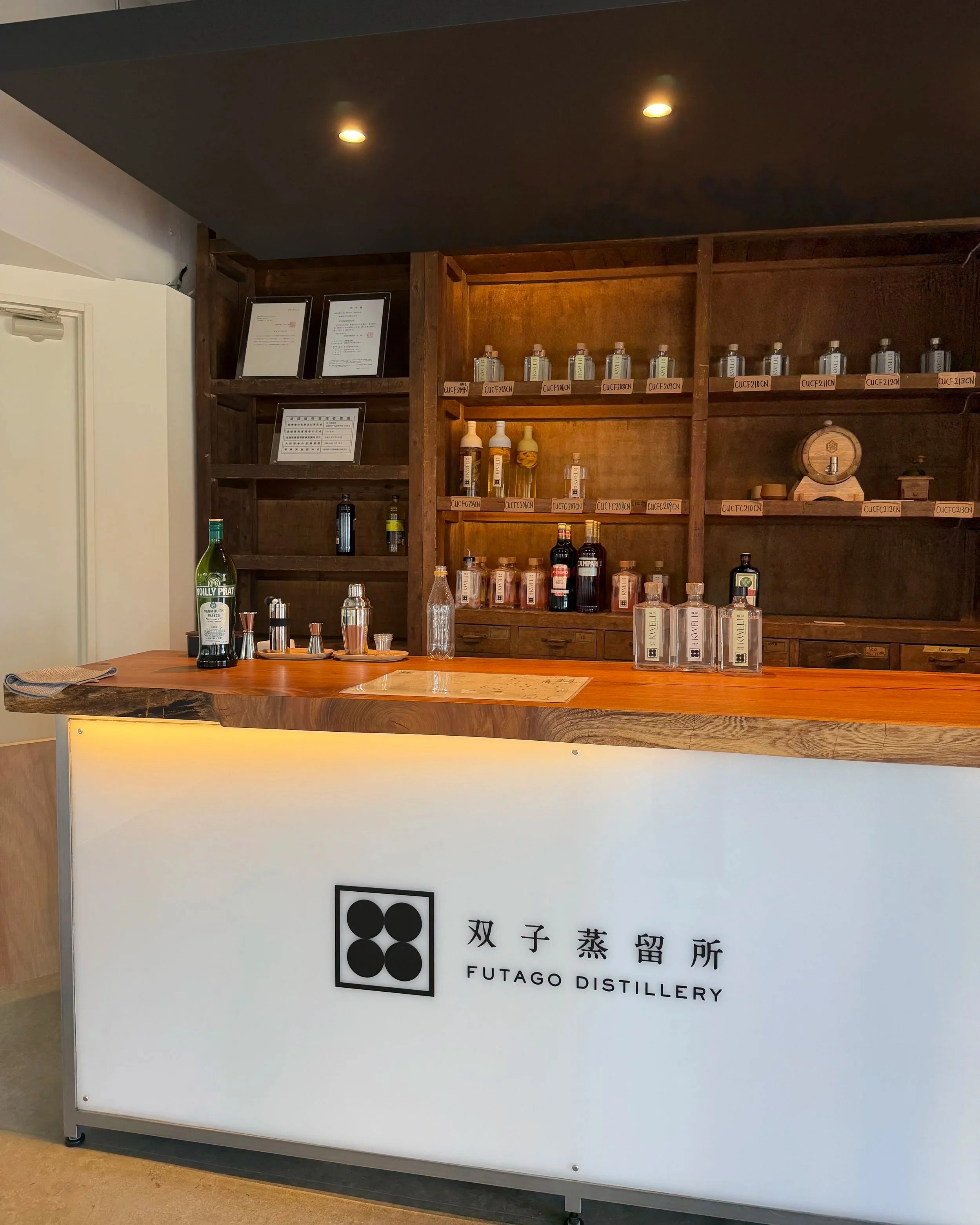
Traveling to Japan for the distillery’s opening gave that story a physical language. In Maebashi, I found myself drawn to the architecture: concrete, metal, weathered surfaces, and moments of unexpected refinement. The distillery carried that same tension. It was rugged but considered, industrial without feeling cold, and imperfect in a way that gave the space character. Those contrasts became a visual reference point for how I began to understand the brand; refined, but never overly polished.
The trip also shifted my perspective on hospitality. Unlike my years working behind a bar in California, in Japan, I had the opportunity to experience it from the other side while meeting and working alongside some of the industry’s most accomplished bartenders and hospitality professionals. What stayed with me were the smaller gestures: the attention given to presentation, the consideration behind an interaction, and the way atmosphere could communicate feelings before words.
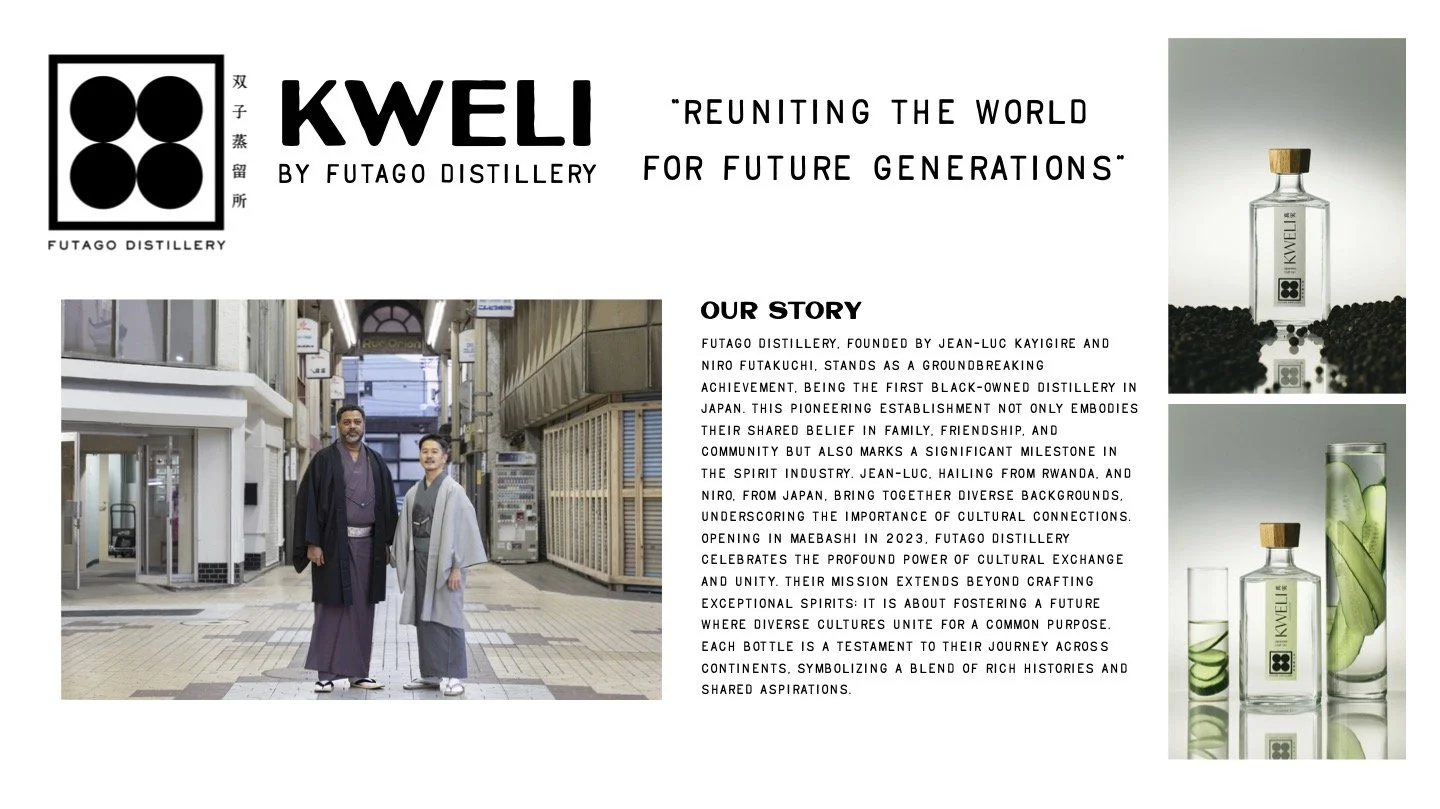
Those observations became part of the way I approached Futago. A published editorial feature allowed the story to feel personal and atmospheric; a U.S. distributor deck required the same identity to become more concise and purposeful. Rather than treating each as a separate exercise, I looked for the elements that could move between them; the sense of place, the founder’s story, and the balance between craft and character.
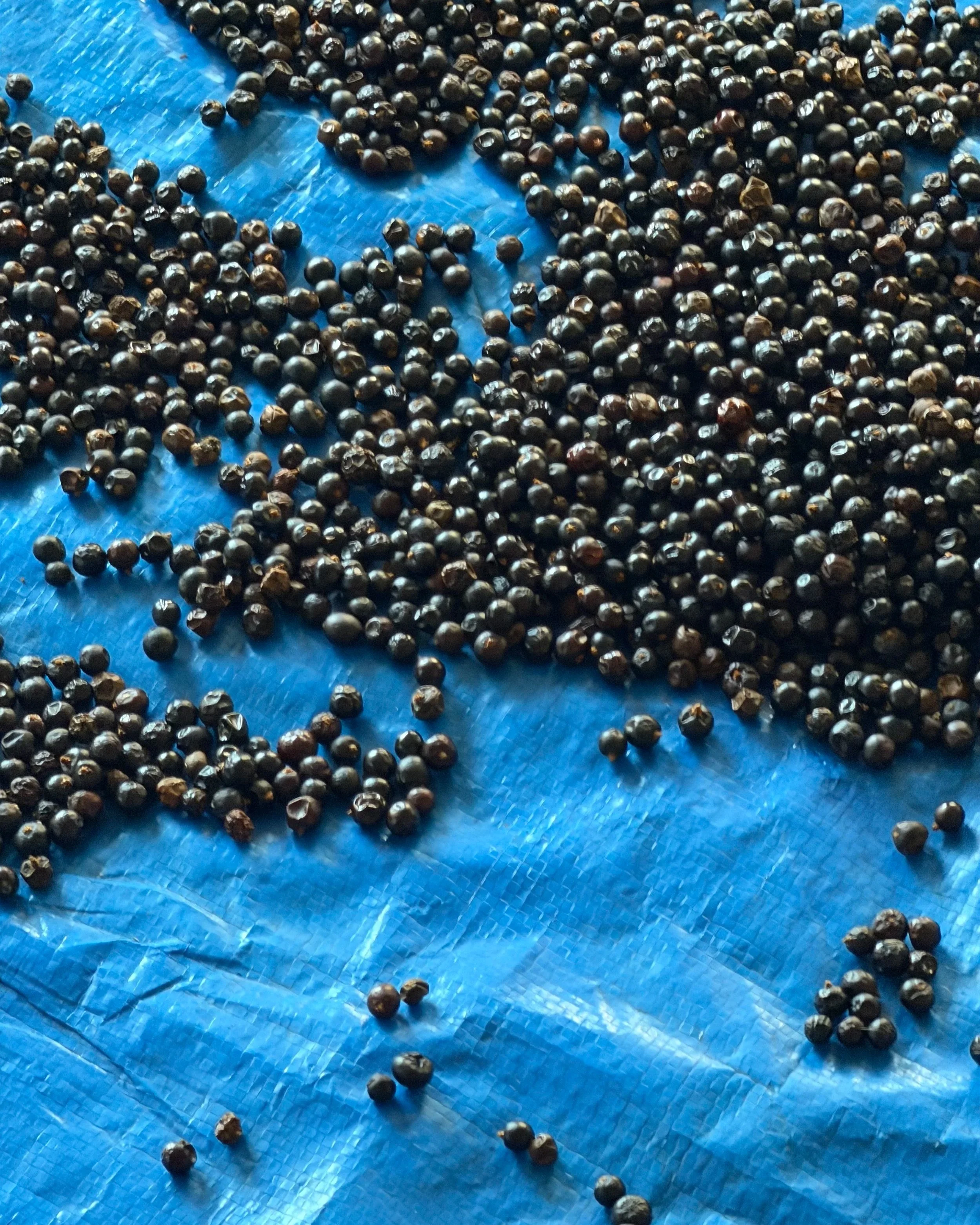
It’s a process that reflects how I naturally work: observing first, finding the details that hold a story together, and considering how they can be translated into something visual. For me, the most interesting identities aren’t built from aesthetics alone. They come from the people, places, histories, and experiences that give those aesthetics meaning.